
ang NYLON 6 manufacturing landscape has undergone a quiet revolution.
While traditional methods served the industry well for decades, modern processing technologies are rewriting the rules of production efficiency, quality, and sustainability.
This article compares key aspects of both approaches, helping manufacturers understand where upgrading makes financial and operational sense. We'll focus on practical differences that impact your bottom line, not just technical specifications.
Modern machines have revolutionized production capabilities, achieving throughput rates that are 30-50% higher than traditional systems.
This significant increase is largely due to advanced tension control and cutting-edge heating systems that enhance processing speeds without compromising the quality of the final product.
Where older machinery typically maxed out at around 800 meters per minute, the latest systems have been engineered to routinely reach speeds of 1,200 meters per minute.
One of the major advantages of modern production systems is their ability to significantly reduce downtime through automated adjustments.
In traditional manufacturing setups, it was common for operators to need to intervene frequently to correct issues related to tension and temperature.
These manual interventions could halt production for extended periods, leading to inefficiencies and increased costs.
In the past, switching between different sinina types or products on older equipment could take several hours, resulting in significant downtime and lost productivity.
However, newer systems have been designed with preset profiles that allow for rapid transitions.
This means that manufacturers can now change yarn types or switch production lines in just minutes, drastically reducing the time spent on changeovers.
One of the most significant advancements in energy efficiency is the implementation of precision heating technologies in modern ovens.
Unlike traditional models that heat entire chambers indiscriminately, modern systems utilize zone heating, which targets only the specific areas that require heat.
This focused approach not only improves heating efficiency but also reduces energy consumption by 25-40%.
Modern machinery often employs variable frequency drives (VFDs) and highly efficient gearboxes, which work together to minimize power draw.
Compared to older constant-speed motors, these advanced systems can reduce energy use by 15-20%.
VFDs allow motors to adjust their speed according to the specific needs of the operation, ensuring that energy is not wasted on unnecessary power.

The introduction of smart standby modes represents a significant leap forward in reducing energy consumption during idle times.
Unlike traditional systems that continue to run at full power even when not in active use, modern equipment is equipped with intelligent technology that automatically detects pauses in operation.
When the machinery is not actively processing, it seamlessly transitions into low-power states, drastically minimizing energy usage during these periods.
Modern manufacturing systems offer remarkable precision in tension control, achieving an accuracy of ±1%.
This level of control is made possible through the use of advanced digital sensors that continuously monitor tension in real-time.
This enhanced precision eliminates the variations that often occur with manual methods, where human error and delays in response can lead to inconsistencies.
As a result, manufacturers can produce higher-quality products with improved consistency, reducing waste and enhancing overall efficiency.
Temperature control is another area where modern technology has made significant strides.
Advanced heating technologies in contemporary systems ensure temperature uniformity within just 2°C, a marked improvement over the 10°C variation commonly seen in older ovens.
This enhanced uniformity eliminates the hot and cold spots that often led to uneven processing in traditional equipment, where inconsistent heating could compromise product quality.
Automated quality monitoring systems represent a transformative advancement in defect detection and quality assurance.
These sophisticated technologies can detect and analyze potential defects as they occur, allowing for immediate corrective actions to be taken.
This proactive approach minimizes the risk of defective products reaching the market and reduces the need for costly rework or recalls.
By integrating automated quality monitoring into the production process, manufacturers can enhance their overall quality control measures, ensuring that every product meets stringent quality standards before it leaves the facility.

These advanced parts are designed to last up to three times longer than traditional components, which typically require weekly greasing to maintain optimal performance.
In contrast, modern self-lubricating materials reduce the need for frequent maintenance, allowing machines to operate smoothly for months without service.
This not only minimizes downtime but also lowers maintenance costs and labor requirements.
In older equipment, addressing issues often required extensive disassembly, taking hours to access and replace problematic components.
However, with modular designs, specific problem parts can be swapped out in just minutes, significantly reducing repair times.
This ease of maintenance not only enhances operational efficiency but also allows for quicker returns to service, minimizing disruptions in production.
Smart sensors integrated into modern machinery can continuously monitor various parameters and forecast potential issues before they occur.
This proactive approach stands in stark contrast to traditional run-to-failure methods, where machinery is often allowed to operate until a breakdown happens.
By utilizing predictive maintenance alerts, manufacturers can address maintenance needs early, preventing unexpected failures and costly downtime.
Modern manufacturing techniques have significantly improved material efficiency, resulting in 30-50% less material waste compared to traditional methods.
This reduction is largely due to precision control systems that minimize waste generated during startup and shutdown phases.
In older systems, these transitional periods often led to substantial losses as materials were discarded or rendered unusable.
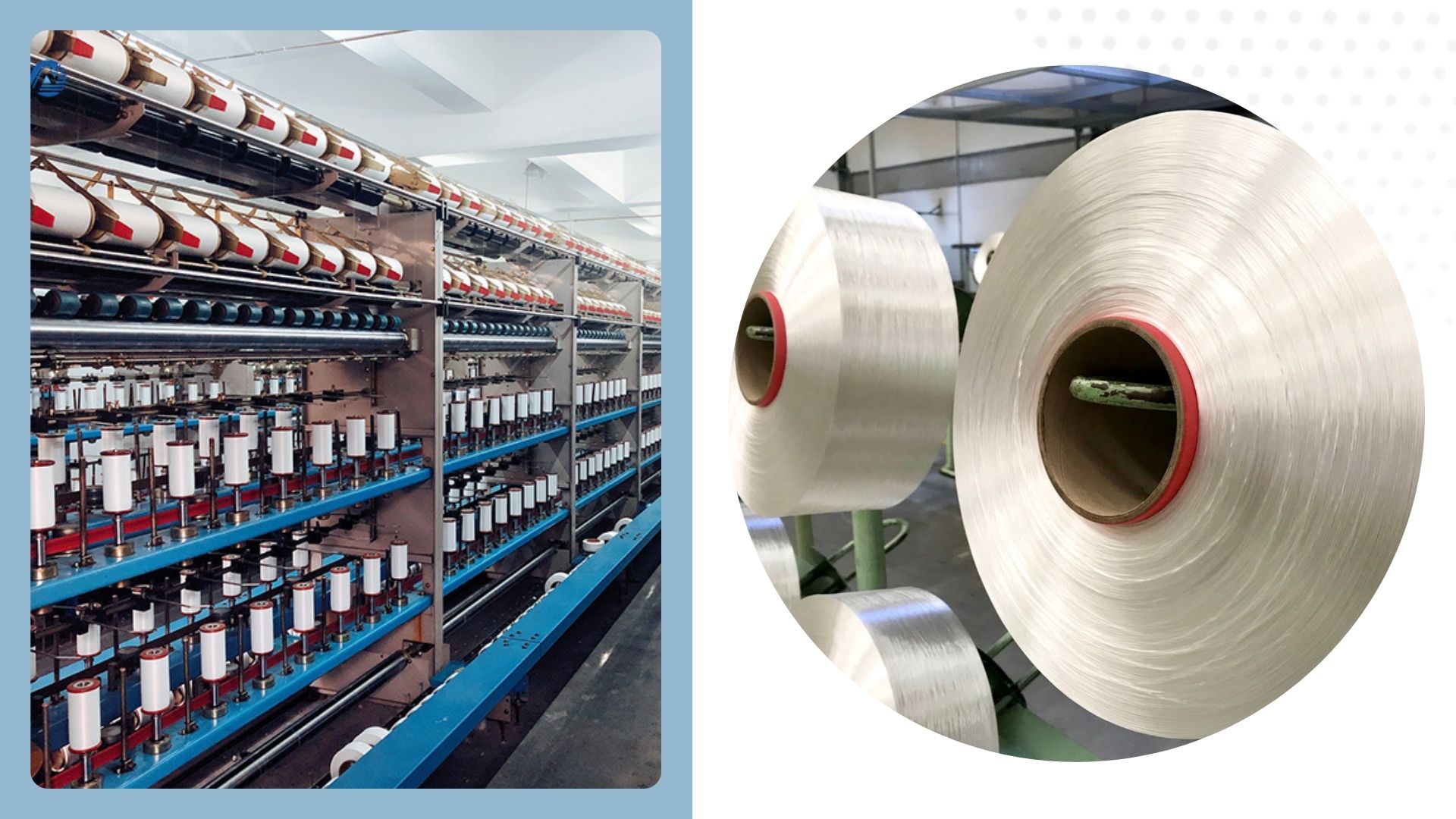
While traditional methods typically yield acceptable quality rates of around 90-92%, contemporary systems can boast first-pass yields of 98% or higher.
This improvement means that a greater proportion of products meet quality standards on the first attempt, significantly reducing the need for rework and inspection.
Enhanced quality control measures and advanced monitoring technologies play a crucial role in this achievement, allowing for immediate adjustments during production.
The latest manufacturing processes are designed with recycling compatibility in mind, allowing for better accommodation of recycled content without compromising quality.
This capability not only supports sustainability initiatives by reducing reliance on virgin materials but also enables manufacturers to respond to the growing demand for eco-friendly products.
By ensuring that recycled content can be utilized without quality loss, businesses can enhance their market competitiveness while contributing to a more circular economy.
One of the most significant advancements in modern manufacturing is the ability for a single operator to effectively manage multiple production lines.
Automation technologies have streamlined processes and integrated advanced systems that significantly reduce the staffing requirements by 40-60% compared to traditional labor-intensive operations.
This shift not only lowers labor costs but also enhances operational efficiency, allowing businesses to allocate their human resources more strategically.
Modern manufacturing systems feature simplified controls that make operating machinery easier and more intuitive.
This reduction in complexity means that new operators can quickly learn how to manage equipment, significantly decreasing the training time required.
Consequently, businesses can onboard new employees more efficiently, allowing them to contribute to production sooner and reducing the likelihood of errors that can arise from misunderstandings of complicated controls.

With modern technology, many issues can be diagnosed and resolved without the need for technicians to physically enter the production floor.
This remote access allows for real-time monitoring of equipment performance, enabling quick identification of potential problems before they escalate.
As a result, manufacturers benefit from reduced downtime and increased efficiency, as technicians can address issues promptly from a distance.
Modern manufacturing technologies have significantly improved the consistency of dye uptake in textile production.
Advanced tension and temperature control systems ensure that the dyeing process is uniform, leading to more reliable and consistent coloration across all products.
This enhanced precision not only improves the aesthetic quality of the fabrics but also reduces the need for re-dyeing or sorting, ultimately saving time and resources while delivering a higher-quality final product.
The advancements in manufacturing techniques have also led to improved mechanical properties of the materials produced.
Better molecular alignment during processing results in stronger and more durable end products.
This enhanced alignment ensures that the materials can withstand greater stress and strain, making them ideal for various applications where durability is critical.
The improved mechanical properties contribute to longer-lasting products that perform better under challenging conditions, thus increasing customer satisfaction and reducing the likelihood of product failure.
Modern manufacturing processes are capable of achieving much tighter tolerances, consistently meeting premium specifications that older systems could only reach with extensive sorting and manual intervention.
These advancements allow for precise control over dimensions and material properties, ensuring that every product meets stringent quality standards.
This capability not only enhances the reliability of the products but also allows manufacturers to cater to high-end markets that demand exceptional precision and quality, thereby boosting competitiveness and market position.

While modern manufacturing systems often come with a higher upfront cost, they typically offer a faster return on investment (ROI) within just 2-3 years.
This rapid payback period is largely attributed to the significant savings generated through improved efficiency and reduced operational costs.
By streamlining processes, minimizing waste, and enhancing productivity, these advanced systems enable manufacturers to quickly recoup their initial investment.
When evaluating the total cost of ownership, modern manufacturing systems often prove to be more economical over time.
By taking into account factors such as energy consumption, labor costs, waste production, and maintenance needs, new systems typically cost less per kilogram produced compared to their traditional counterparts.
These advanced systems are designed for energy efficiency, reducing utility bills and lowering the carbon footprint.
Investing in modern manufacturing equipment is not just about immediate benefits; it’s also about future-proofing operations against evolving market demands.
This adaptability allows manufacturers to easily integrate new processes, materials, or production methods as market conditions change.
By choosing future-proof technology, businesses can stay competitive and responsive to industry trends, ensuring that their operations remain relevant and efficient in an ever-evolving landscape.
This strategic investment positions manufacturers to seize new opportunities and navigate challenges effectively.

Panapos
Samtang tradisyonal naylon 6 processing methods still work, modern technologies deliver compelling advantages in speed, quality, efficiency, and cost.
The gap isn't just incremental - it's transformational, with new systems outperforming on every key metric. Manufacturers clinging to old approaches risk becoming uncompetitive in quality, cost, or both.

Copyright © 2019-2022 Zhejiang Leinuo Textile Technology Co., Ltd. Gireserba ang Tanang Katungod. palisiya sa personal nga Termino ug mga Kondisyon
 EN
EN  AR
AR NL
NL FR
FR DE
DE HI
HI IT
IT JA
JA KO
KO NO
NO PL
PL PT
PT RO
RO RU
RU ES
ES SV
SV ID
ID LV
LV LT
LT SR
SR SK
SK SL
SL UK
UK VI
VI TH
TH TR
TR FA
FA AF
AF MS
MS SW
SW GA
GA CY
CY BE
BE IS
IS MK
MK YI
YI HY
HY AZ
AZ EU
EU KA
KA HT
HT UR
UR BN
BN BS
BS CEB
CEB EO
EO GU
GU HA
HA HMN
HMN IG
IG JW
JW KN
KN KM
KM LO
LO LA
LA MI
MI MR
MR MN
MN NE
NE PA
PA SO
SO